The ball of the foot often tells the story of how a person moves, trains, and ages. When pain settles under the big toe joint, two culprits rise to the top of a foot and ankle specialist’s list: capsulitis and sesamoiditis. They sit a centimeter apart yet behave differently, demand different treatment timelines, and carry different long-term risks. Sorting them out quickly matters, especially for runners, dancers, field sport athletes, and anyone whose job requires hours on their feet.
I have examined hundreds of patients with forefoot pain that sounded similar on day one. Some walked in convinced they had turf toe, others feared a stress fracture. In many, the key finding was how the first metatarsophalangeal joint, the big toe joint, handled pressure during push-off. A precise diagnosis prevents months of frustration and the slippery slope from inflammation to chronic degeneration.
What we mean by capsulitis and sesamoiditis
Capsulitis refers to inflammation of the capsule that envelops a joint. In the forefoot, the second metatarsophalangeal joint is the classic site, but the first MTP joint capsule can certainly flare. Think of the capsule as a durable envelope that stabilizes the joint, anchoring ligaments, tendons, and synovial lining. When irritated, the capsule aches with pressure, swells, and can produce that feeling of a pebble under the toe.
Sesamoiditis involves the pair of pea‑sized bones embedded within the tendon of the flexor hallucis brevis beneath the first MTP joint. They act as pulleys, improving the efficiency of the big toe during push-off. When the sesamoids become inflamed, overloaded, or develop stress reaction, the pain localizes to the plantar surface directly under the head of the first metatarsal. It often sharpens with toe bending and sprinting.
Capsulitis is about the envelope around the joint. Sesamoiditis is about the small bones and surrounding soft tissues within the tendon under the joint. The pain maps differently, and the physical exam tells the story if you listen carefully.
Why location and loading patterns matter
Most patients point with a fingertip to where it hurts. That single detail guides the foot and ankle physician. Capsular pain around the big toe joint often feels broader and can be tender along the joint margins, especially medially in those with bunion tendencies or laterally in athletes with repetitive twist. Sesamoid pain is pinpoint, directly under the ball of the big toe, and often worsens when you rise onto the toes or perform a single‑leg calf raise.
Foot mechanics shape the risk. A high‑arched foot concentrates load on the first and fifth metatarsal heads. A flat foot tends to share load more broadly, but if the forefoot is varus or the big toe Rahway, NJ foot and ankle surgeon is stiff, forces funnel into the sesamoids. A foot and ankle biomechanics specialist studies these subtleties: how the heel strikes, how the subtalar joint unlocks, how the forefoot pronates or supinates, and how the big toe dorsiflexes during terminal stance. A small change in ankle dorsiflexion, for example from a tight calf, shifts more force into the forefoot and can ignite either capsulitis or sesamoiditis depending on where tissue capacity was already thin.
Common histories that point one way or the other
Patterns emerge:
- A soccer player who caught their foot and felt a jamming twist at the big toe joint often develops capsulitis. The capsule took the torsion. Within 24 to 48 hours the joint feels stiff, swollen, and sore around the edges. A distance runner who increased hill repeats or switched to carbon‑plated shoes may develop sesamoiditis. The lever arm got longer, push‑off stronger, and the sesamoids carried more peak load per stride. Dancers who spend time en pointe combine both risks, yet the first complaint is usually a deep, pinpoint ache under the joint that screams sesamoid. Patients with established bunions sometimes develop medial capsulitis where the capsule stretches and inflames opposite the protruding bone, even without major mileage or trauma.
I often ask patients to compare two motions: rolling onto the tips of the toes versus deep bending of the big toe while seated. Sesamoiditis flares more with the former, capsulitis with the latter. That distinction, paired with palpation, usually separates the two in the clinic.
Exam findings that separate the diagnoses
Inspection comes first. The foot and ankle care specialist looks for swelling at the first MTP joint, callus patterns that betray chronic overload, and the alignment of the big toe. A heavy callus beneath one sesamoid suggests long‑standing pressure. Redness and warmth around the joint capsule skew toward capsulitis.
Palpation is decisive. Press directly under the tibial and fibular sesamoids. Patients with sesamoiditis often wince at one exact spot, sometimes with a small nodular feel from surrounding soft tissue thickening. Slide your thumb around the joint margins. Capsulitis shows diffuse tenderness that hugs the perimeter, and the joint may feel boggy.
Motion and special tests add nuance. A stiff or grinding big toe joint can indicate early arthritis or chondral injury overshadowing a capsular flare. The Lachman‑type drawer of the first MTP joint, gently stressing plantar plate integrity, assesses stability. In sesamoiditis, passive dorsiflexion of the big toe with pressure under the sesamoid reproduces the pain. With capsulitis, varus and valgus stress to the joint exaggerates capsular tenderness.
Gait tells the rest. An antalgic pattern that avoids toe‑off on the affected side points to sesamoid pain. Some patients roll laterally across the forefoot to avoid the sesamoids, a trick that can seed fifth metatarsal issues if left unchecked.
Imaging and when to use it
X‑rays are the first stop. A weight‑bearing AP, lateral, and sesamoid axial view highlight alignment and show whether the sesamoids are bipartite, a common variant mistaken for fracture. Radiographs reveal stress fractures that have progressed enough to create a cortical line or periosteal reaction. They also show joint space narrowing, osteophytes, and loose bodies that influence a capsulitis diagnosis.
If symptoms persist beyond two to three weeks of appropriate care, or if exam findings suggest a more complex injury, MRI earns its keep. It shows bone marrow edema in sesamoids, capsular synovitis, plantar plate tears, and cartilage defects. Ultrasound, in skilled hands, can quickly confirm capsular thickening, fluid, and dynamic instability, and it helps guide targeted injections when appropriate.
A foot and ankle sports medicine doctor balances cost, radiation, and the likelihood that results will change the plan. For a classic, mild sesamoiditis in a runner, I may hold MRI initially and re‑evaluate in 10 to 14 days. For a ballet dancer on contract, I often obtain early MRI, because a small stress reaction caught early can save a season.
Risk factors the exam room should not miss
Certain problems predispose patients to either condition. Equinus, or limited ankle dorsiflexion from a tight gastrocnemius or soleus, shifts load forward and increases forefoot pressure. A hallux limitus or rigidus, where the big toe has limited dorsiflexion, forces compensation through the sesamoids and joint capsule. Orthopedic alignment issues like metatarsus primus elevatus raise the first metatarsal, altering how the sesamoids engage. Prior bunion surgery, especially if over‑corrected or under‑corrected, can redistribute forces in unhelpful ways.
Systemic factors matter too. Osteopenia or relative energy deficiency, common in endurance athletes and dancers, lowers bone’s capacity to handle repetitive stress. Diabetics have altered healing and neuropathy that can mask worsening damage. Patients on long‑term steroids or with inflammatory arthritis can present with capsular inflammation that requires a broader medical plan. A foot and ankle arthritis specialist coordinates care in these cases, marrying local treatment with systemic control.
How a foot and ankle care expert structures treatment
The foundation for both capsulitis and sesamoiditis is load management, footwear modification, and targeted therapy. The differences are in the details.
For capsulitis around the first MTP joint, I aim to calm the capsule, restore smooth motion, and correct the mechanical driver. Short rest windows, avoiding deep toe bending and barefoot walking on hard surfaces, help early. A stiff‑soled shoe or a carbon insole limits painful motion. Gentle range work keeps the joint from stiffening. When the pain settles, progressive strengthening of intrinsic foot muscles and the calf restores balance. If a bunion or hypermobility drives the irritation, a foot and ankle alignment expert may add taping strategies or a medial post to reduce valgus drift.
Sesamoiditis needs a more direct offload. A dancer’s pad or J‑pad, with a cutout under the painful sesamoid, shifts pressure to surrounding tissue. Rocker‑bottom shoes allow roll‑through without heavy push‑off. In moderate to severe cases, a short period in a controlled ankle motion boot gives true rest. I reserve this for patients who cannot turn the corner with pads and shoe changes or when imaging shows bone marrow edema. Calf flexibility work is non‑negotiable, since a tight posterior chain often loads the sesamoids with every step.
Anti‑inflammatory strategies are tools, not crutches. Short courses of NSAIDs can help, provided the patient has no contraindications. Topical NSAIDs have a favorable safety profile. For capsulitis that remains hot and swollen after a week of rest and protection, an ultrasound‑guided corticosteroid injection into the capsule can settle the synovitis. I avoid steroid injections into the sesamoid apparatus when possible, given the proximity to weight‑bearing tendon and the small size of the bones. If pain persists or a stress reaction is present, biologic options like platelet‑rich plasma are sometimes discussed, though data for sesamoids is limited and should be weighed carefully.
Physical therapy protocols differ subtly. Capsulitis benefits from joint mobilization, edema control, and gradual return to loaded dorsiflexion of the big toe. Sesamoiditis protocols emphasize calf lengthening, forefoot offloading strategies, and progressive reintroduction of push‑off under supervision, starting on softer surfaces.
Timelines and realistic expectations
Patients want to know when they can run, jump, or dance again. A typical capsulitis flares for 2 to 6 weeks, then recovers steadily with the right plan. Once pain drops to a mild level, reintroducing low‑impact cardio and graded push‑off work is reasonable.
Sesamoiditis demands patience. Mild cases respond in 3 to 8 weeks if offloading is done well. Moderate cases, particularly with MRI‑proven bone edema, often need 6 to 12 weeks before full sport demands are safe. Chronic sesamoid pain that smolders for months often reflects under‑treated loading or a missed stress fracture. In these cases, a foot and ankle injury treatment doctor resets the plan, sometimes using a boot, revisiting orthotic design, and checking bone health.
A single sentence I share early: you will feel better before the tissue is fully reconditioned. That gap is where many re‑injure themselves. The return‑to‑run algorithm starts with walk‑jog intervals on flat ground every other day, increasing total minutes rather than speed at first. Dancers often start with barre work, then center, then small jumps, then directional and pointe loading. Field sport athletes add cutting late, once straight‑line acceleration is painless for at least a week.
When to worry about something more serious
Pinpoint pain that refuses to improve despite two weeks of strict offloading needs a second look. A stress fracture of the sesamoid can masquerade as persistent sesamoiditis. Bipartite sesamoids complicate the picture, so comparison to the other foot helps. If tenderness localizes to the dorsal joint line or the toe locks, suspect a chondral flap or loose body. Sudden bruising and swelling after a hyperextension injury may herald a turf toe lesion involving the plantar plate, a different issue with its own grading scale and potential need for immobilization or surgery.
Systemic red flags include night pain, unexplained weight loss, or a history of infection or inflammatory disease. These warrant referral to a foot and ankle medical surgeon or foot and ankle orthopaedic specialist for broader evaluation and imaging.
The role of orthoses, shoes, and surfaces
Footwear changes often make or break the plan. For sesamoid pain, shoes with a stiff forefoot, mild rocker, and ample forefoot volume typically feel best. Some carbon‑plated super‑shoes actually help by limiting big toe extension at push‑off, while others worsen symptoms if the plate geometry drives load toward the first ray. This is where trial and error, guided by a foot and ankle gait specialist, beats blanket advice.
Orthotic design matters. A custom device with a first ray cutout can allow the first metatarsal to drop and share load better, especially in a foot with an elevated first ray. Conversely, a device that is too rigid under the first ray can increase sesamoid stress. For capsulitis, a device that stabilizes the forefoot and limits frontal plane wobble may calm the capsule. Runners responding to sesamoiditis often do well with a metatarsal pad placed just proximal to the sesamoids, not directly on them.
Surfaces count. Transitioning early runs to a track or packed dirt lowers peak pressure compared to cambered roads. Dancers can start on marley with extra cushioning before returning to the stage.
Where surgery fits, and where it does not
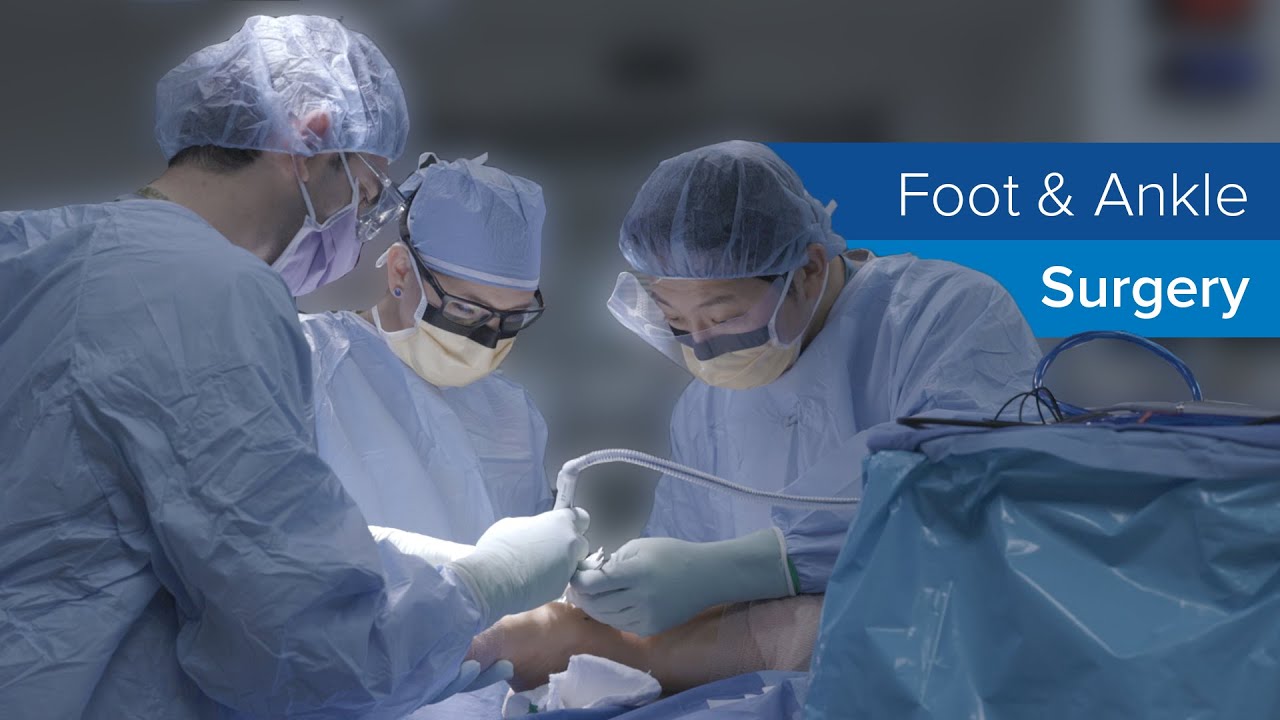
The vast majority of capsulitis and sesamoiditis cases resolve without an operation. A foot and ankle surgical specialist considers surgery for a few scenarios:
- True sesamoid stress fracture nonunion that remains painful after months of offloading and protected weight‑bearing, with clear imaging evidence. Options include internal fixation or partial or complete sesamoidectomy. Each carries trade‑offs. Removing a sesamoid can alter big toe mechanics and risks hallux valgus or cock‑up deformity if not balanced. Recalcitrant sesamoid pain with degenerative change and failed conservative care in a high‑demand patient. Partial sesamoidectomy may be considered, paired with meticulous soft tissue balancing. This belongs in the hands of a foot and ankle podiatric surgeon or foot and ankle orthopedic surgeon with deep experience in forefoot mechanics. Capsulitis tied to structural deformity like an advanced bunion that keeps re‑irritating the capsule. Corrective surgery, tailored to the degree of deformity, reduces the offending forces. A foot and ankle corrective surgeon will map this out with weight‑bearing radiographs and, when needed, 3D planning.
Corticosteroid injections into the sesamoid apparatus are a gray zone. Some foot and ankle pain doctors use them sparingly for select patients. The potential for tendon weakening and fat pad atrophy makes me cautious. For capsulitis, a well‑placed, limited number of injections can be a bridge while mechanics improve.
Case snapshots from the clinic
A 28‑year‑old marathoner developed aching under the big toe two weeks after switching to a stiffer plated shoe. Exam showed pinpoint tenderness over the tibial sesamoid, pain with single‑leg heel raise, and minimal capsular tenderness. X‑rays revealed a bipartite tibial sesamoid without signs of acute fracture. We placed a J‑pad, prescribed a rocker‑soled trainer for daily use, and paused workouts for ten days. She returned to run using a walk‑jog progression at day 14 and finished her race eight weeks later without relapse. The key was offloading early and re‑introducing stress slowly.
A 42‑year‑old yoga instructor reported global soreness around the big toe after a misstep in a hot class. The joint was puffy and tender throughout the capsule, with pain on valgus and varus stress. Sesamoid palpation was tolerable. A stiff‑soled shoe, topical NSAID, and gentle joint mobility exercises settled the flare within two weeks. She resumed full classes by week three, with advice to limit deep end‑range poses for another month. Here, guarding the capsule while keeping motion meant everything.
A 19‑year‑old collegiate dancer had three months of waxing and waning pain beneath the big toe. She had switched studios and was practicing en pointe more hours per week. Exam showed focal tibial sesamoid tenderness and mild swelling. MRI demonstrated marrow edema without fracture. A boot for two weeks, followed by a progressive offloading pad in her pointe shoes and strict calf stretching, allowed return to barre at week four and full dance at week eight. The pace was slower than she liked, but the bone needed quiet time to remodel.
Preventing the next flare
Once the fire is out, prevention starts. Keep calf flexibility on a short daily list. Cycle footwear so outsole stiffness and midsole compression do not trap you in one loading pattern. Runners should blend terrain and include a recovery shoe category with more rocker and cushioning. Dancers and field athletes benefit from routine intrinsic foot strengthening: towel scrunches, short‑foot drills, resisted hallux plantarflexion, and controlled heel raises emphasizing smooth forefoot roll‑through.
Monitoring training load prevents surprises. Any jump in volume or intensity above 10 to 15 percent per week invites trouble. If your routine includes hills or plyometrics, alternate hard days with easy technical work. When the first metatarsal head starts to feel “present,” lighten one variable within 24 hours.
A foot and ankle motion specialist can reassess gait when volume changes or after a new shoe purchase. Minor tweaks in cadence, step width, or foot strike can re‑distribute load just enough to protect vulnerable tissues.
What to ask a foot and ankle specialist at your visit
Bring specific questions to make the most of the appointment with a foot and ankle care provider or foot and ankle pain specialist.
- Can you pinpoint whether this is mainly capsular or sesamoid? What did the exam show? Do I need imaging now, or can we try a targeted plan first? If imaging is needed, which modality and why? What is the offloading strategy for my foot type and activity? Which pads and which shoes? How will we progress activity, and what milestones signal it is safe to advance? If this does not improve on schedule, what is the next step and timeline?
Clarity on these points prevents missteps. Your foot and ankle consultant should explain the mechanics behind your pain in plain language and show you how each intervention addresses a specific driver.
" width="560" height="315" frameborder="0" allowfullscreen="" >
Edge cases and special populations
Pediatric and adolescent athletes sometimes present with accessory bones or growth plate considerations that mimic sesamoiditis. A foot and ankle pediatric specialist recognizes these nuances and tailors both imaging and treatment.
Diabetic patients require careful offloading to protect skin and prevent ulcers under the forefoot. In these cases, a foot and ankle wound care specialist or diabetic foot top-rated foot and ankle surgeon NJ doctor collaborates with the treating foot and ankle medical expert. Sensory neuropathy can hide progression from inflammation to fracture.
Older adults with hallux rigidus often report mixed symptoms: capsular soreness, dorsal joint pain, and occasional sesamoid tenderness. Here, a foot and ankle arthritis doctor balances joint preservation strategies with realistic function goals. Stiff rocker shoes often provide immediate relief by bypassing limited toe dorsiflexion.
Finally, hypermobile individuals, including those with connective tissue disorders, may experience recurrent capsular flares due to instability. Strength and proprioception training, taping strategies, and sometimes custom bracing take priority, and surgery is reserved for carefully selected cases reviewed by a foot and ankle surgical expert.
The bottom line for patients and practitioners
Capsulitis and sesamoiditis live next door anatomically but follow different rules. The exam is your compass. Pinpoint plantar tenderness that spikes with toe‑off points to the sesamoids. Diffuse joint margin tenderness worsened by side‑to‑side stress points to the capsule. Imaging confirms and clarifies. Treatment resets load, protects tissue while it heals, then rebuilds capacity with smart progression.
A seasoned foot and ankle treatment specialist, whether a foot and ankle podiatry expert or orthopedic surgeon, will tune the plan to your anatomy, sport, and timeline. Go early. Small changes in pads, shoes, and training can turn a month‑long detour into a brief pit stop. Wait too long, and what began as a simple inflammatory flare can become a structural problem that lingers.
If you are stuck or uncertain, seek a second opinion from a foot and ankle foot disorder specialist. Clear diagnosis, honest timelines, and a practical stepwise plan get you back to moving the way you want, not tiptoeing around recurring pain.